✨
Blessings of Lord Shiva
Devotees seek the blessings of Lord Somnath for protection, spiritual strength, peace and divine grace.

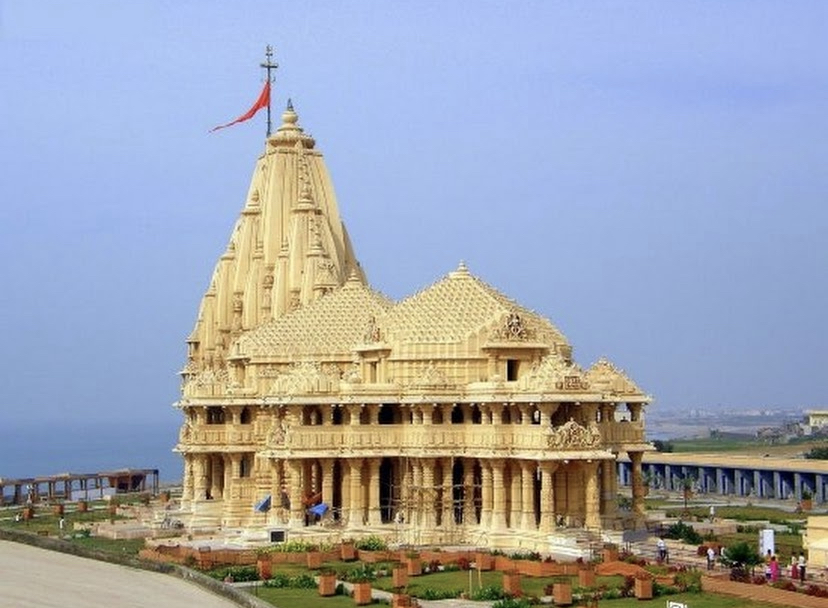
Prabhas Patan, Somnath, Gir Somnath, Gujarat
Sacred Adi Jyotirlinga of Lord Somnath
Seva Blessings
6+
devotees have received seva blessings
Sri Somnath Adi Jyotirlinga Temple, also called Somnatha Temple or Deo Patan, is one of the most sacred pilgrimage sites in India, located at Prabhas Patan near Veraval in Gujarat. Revered as the first among the twelve Jyotirlinga shrines of Lord Shiva, it holds immense spiritual, historical, and cultural significance. The temple stands majestically on the shores of the Arabian Sea, symbolizing the eternal presence of Shiva and the resilience of Hindu faith. According to legend, the original temple was built by the Moon God with gold in the Satya Yuga, rebuilt by Ravana in silver during Treta Yuga, and again by Lord Krishna in sandalwood during Dwapara Yuga. Over centuries, Somnath has been demolished and reconstructed multiple times, yet it continues to shine as a beacon of devotion and strength.
The Temple is a saga of faith and endurance. Ancient scriptures such as the Rig Veda, Skanda Purana, and Shiv Purana mention Somnath as a revered Jyotirlinga. Historically, the temple was reconstructed by several rulers and dynasties. Shri Vikramaditya of Ujjaini rebuilt it about 2500 years ago, the Vallabhi kings restored it between 480–767 CE, Bhimadeva of Anhilawada reconstructed it in the 11th century, and Khangara, the king of Junagadh, rebuilt it in 1351 CE. In total, the temple has been reconstructed about 17 times. The most infamous destruction occurred in 1025 CE when Mahmud of Ghazni invaded and looted its treasures. Despite repeated invasions, Somnath was rebuilt each time, symbolizing the indomitable spirit of Hindu devotion. The modern structure was reconstructed between 1947 and 1951 under the leadership of India’s former Deputy Prime Minister Sardar Vallabhbhai Patel, using sandstone in the traditional Chalukyan style. This reconstruction marked a revival of national pride and spiritual heritage, ensuring Somnath’s eternal presence.
The Significance of the Temple lies in its status as the Adi Jyotirlinga, the first among the twelve sacred abodes of Lord Shiva. It is believed that worshipping at Somnath grants liberation from the cycle of birth and death, fulfilling the deepest spiritual aspirations of devotees. The temple is also associated with Lord Krishna, who is said to have ended his earthly incarnation at nearby Prabhas Patan. Pilgrims believe that Somnath removes sins, bestows prosperity, and grants moksha. Its repeated reconstructions after invasions symbolize resilience, making Somnath not only a spiritual shrine but also a national symbol of endurance and unity. The temple attracts millions of devotees annually, including pilgrims from Karnataka and across the globe, reinforcing its universal appeal.
The Architecture of the Temple is a magnificent example of traditional Chalukyan design. The sanctum houses the sacred Jyotirlinga, a naturally occurring stone symbolizing Shiva’s infinite presence. The temple’s shikhara (spire) rises majestically against the backdrop of the Arabian Sea, creating a breathtaking view. Intricate carvings, sculpted pillars, and ornate mandapas reflect the artistry of ancient Indian craftsmen. The temple complex includes a museum, prayer halls, and facilities for pilgrims. A unique feature is its geographical placement—Somnath is said to have no landmass between it and the South Pole, symbolizing its direct cosmic connection. The temple’s architecture harmonizes spirituality with grandeur, making it a marvel of devotion and design.
Devotees seek the blessings of Lord Somnath for protection, spiritual strength, peace and divine grace.
Somnath is revered as the first among the twelve sacred Jyotirlinga shrines of Lord Shiva.
Devotees worship at Somnath seeking purification, spiritual progress and liberation from the cycle of birth and death.
Lord Shiva is worshipped here for courage, protection from difficulties and strength during challenging periods.
Pilgrims pray for health, prosperity, family harmony and fulfilment of sincere wishes.
The temple's location at Prabhas Patan adds to its spiritual importance and long-standing pilgrimage tradition.
Chant mantras and prayers with devotion during darshan Offer bilva leaves, flowers, and water to the Jyotirlinga as traditional worship Dress modestly and maintain cleanliness within the temple premises Respect the sanctity of the shrine and follow instructions of temple authorities Participate in aarti and rituals with humility and reverence Visit nearby sacred sites such as Triveni Sangam and Bhalka Tirtha for a complete pilgrimage experience Dispose of waste responsibly and keep the temple surroundings clean Observe silence and maintain discipline inside the sanctum
Do not consume alcohol, tobacco, or non-vegetarian food within temple premises Avoid photography or videography inside the sanctum where prohibited Do not rush, push, or create disorder during darshan Refrain from loud conversations or disruptive behavior in sacred areas Do not carry prohibited items like weapons or inflammables into the temple Avoid littering or polluting the seashore and temple surroundings Do not ignore safety instructions given by temple authorities Refrain from disrespecting local customs or traditions