
Discover Sacred Temples
Explore Temples Across India
Discover temple traditions, available pujas, prasadam and devotional services in one place.

Sri Jagannath Puri Temple (Odisha)
Puri, Puri, Odisha
Sri Jagannath Puri Temple in Puri, Odisha, is one of the most revered Vaishnava temples in India and is dedicated to Lord Jagannath along with Balabhadra and Subhadra. The temple is a major pilgrimage centre and is especially famous for the annual Rath Yatra, when the deities are taken out in grand chariots through the streets of Puri. Devotees visit the temple to seek the blessings of Lord Jagannath for devotion, protection, family well-being and spiritual upliftment.
Sri Mata Vaishno Devi Temple (Udhampur)
Katra, Udhampur, Jammu and Kashmir
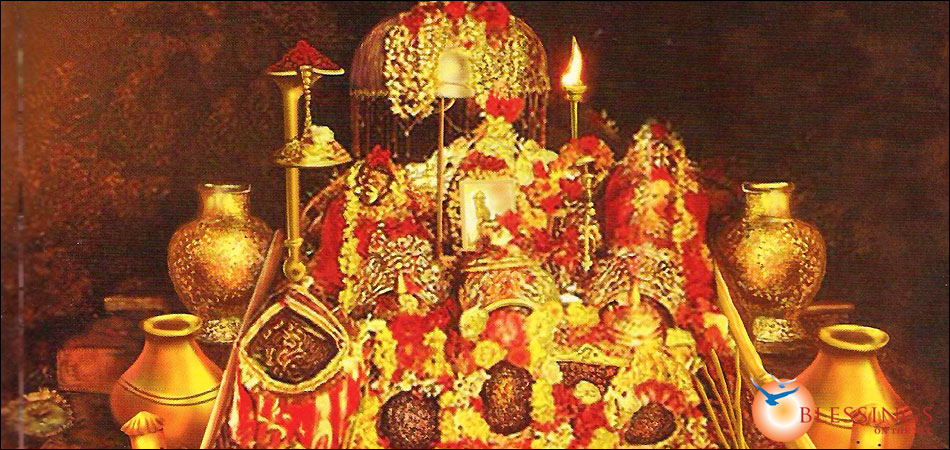
The temple highlight its unique sanctity. Located near Katra in the Reasi district, the shrine is dedicated to Mata Vaishno Devi, also called Vaishnavi, Trikuta, or Sherawali Mata. Unlike most temples with crafted idols, here the Goddess is worshipped in her natural form as three pindis inside a limestone cave. The pilgrimage route begins at Banganga and winds through forests and steep paths, culminating at the Bhawan (main shrine). The journey itself is considered an act of devotion, symbolizing surrender to the Mother Goddess. The temple is managed by the Shri Mata Vaishno Devi Shrine Board (SMVDSB), which ensures facilities for the millions of devotees who visit each year.
Sri Somnath Adi Jyotirlinga Temple (Gir Somnath)
Somnath, Gir Somnath, Gujarat
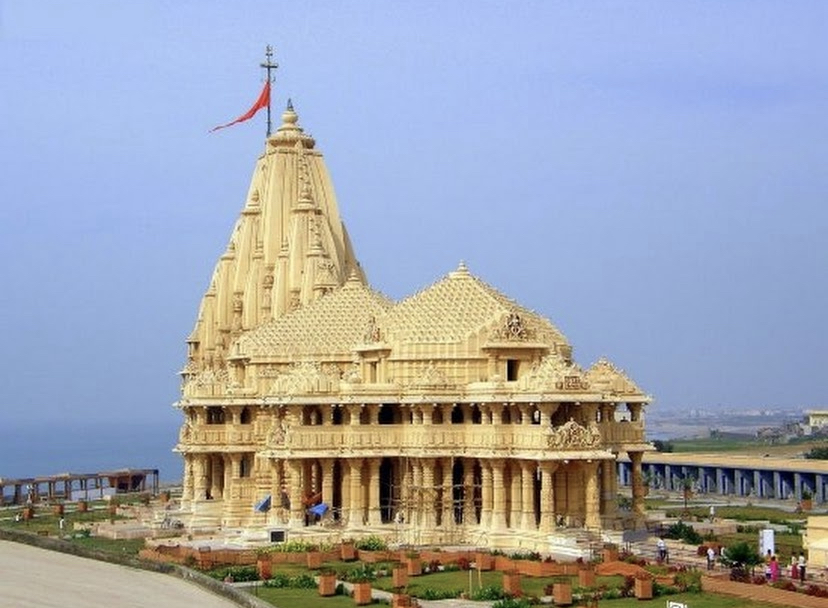
Sri Somnath Adi Jyotirlinga Temple, also called Somnatha Temple or Deo Patan, is one of the most sacred pilgrimage sites in India, located at Prabhas Patan near Veraval in Gujarat. Revered as the first among the twelve Jyotirlinga shrines of Lord Shiva, it holds immense spiritual, historical, and cultural significance. The temple stands majestically on the shores of the Arabian Sea, symbolizing the eternal presence of Shiva and the resilience of Hindu faith. According to legend, the original temple was built by the Moon God with gold in the Satya Yuga, rebuilt by Ravana in silver during Treta Yuga, and again by Lord Krishna in sandalwood during Dwapara Yuga. Over centuries, Somnath has been demolished and reconstructed multiple times, yet it continues to shine as a beacon of devotion and strength.
Mata Sri Chintpurni Temple (Chintpurni)
Una, Una, Himachal Pradesh
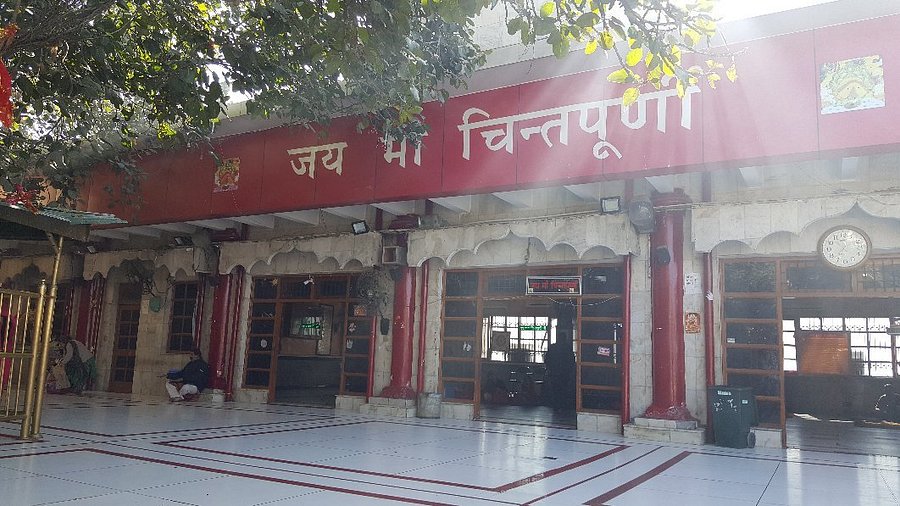
Sri Mata Chintpurni Temple, located in Chintpurni town of Himachal Pradesh’s Una district, is one of the most revered Shakti Peethas in India. Dedicated to Mata Chintpurni, also known as Mata Shri Chhinnamastika Devi, the temple is a sacred destination for devotees seeking relief from worries and fulfillment of desires. The temple is visited by lakhs of pilgrims annually from across India and abroad, making it a spiritual magnet for those who believe in the divine power of the Mother Goddess. The temple is situated amidst the Shivalik ranges, surrounded by serene hills and forests, which enhance its spiritual aura and provide a tranquil environment for worshippers.
Kukke Sri Subrahmanya Temple (Dakshina Kannada)
Kadaba, Dakshin Kannada, Karnataka

Sri Kukke Subramanya Temple in Karnataka is one of South India’s most revered shrines, famed for serpent worship, mythological battles, and its role as a Mukti Kshetra (place of liberation). Built over 5,000 years ago according to tradition, it is deeply tied to legends of Lord Subrahmanya, Vasuki, and Parashurama, making it a pilgrimage center of national importance. Location: Subramanya village, Kadaba Taluk, Dakshina Kannada district, Karnataka. Deity: Lord Subrahmanya (Kartikeya/Murugan), worshipped as the Lord of Serpents. Setting: Nestled in the Western Ghats, on the banks of the holy Kumaradhara River, surrounded by Kumara Parvatha and Shesha Parvatha. Sacred Status: One of the seven Mukti Kshetras established by Sage Parashurama, believed to grant liberation from the cycle of birth and death.

Sri Mookambika Devi Temple (Kolluru)
Kolluru, Udupi, Karnataka
Sri Mookambika Devi Temple at Kolluru is one of Karnataka's most revered Shakti temples and an important pilgrimage centre in South India. Surrounded by the lush Western Ghats near Kodachadri, the temple is dedicated to Goddess Mookambika, worshipped as the unified divine power of Shakti and as the embodiment of knowledge, strength and prosperity. The sanctum is especially associated with the sacred Jyotirlinga bearing a golden line, traditionally understood as representing the union of Shiva and Shakti. Devotees visit Kolluru for darshan, prayer, spiritual strength, education-related blessings and family wellbeing. The peaceful setting, ancient traditions and long association with Adi Shankaracharya make the temple one of the most spiritually significant shrines in coastal Karnataka.

Sri Renuka Yallamma Temple (Saundatti)
Saundatti, Belagavi, Karnataka
Sri Renuka Yallamma Temple at Saundatti (Belagavi district, Karnataka) is one of the most important Shakti shrines in South India, revered as a center of fertility worship and mother goddess devotion. Built in 1514 by Bomappa Nayaka of Raybag, it stands atop Yellammana Gudda hill and attracts lakhs of devotees annually from Karnataka, Maharashtra, Goa, Andhra Pradesh, and beyond.

Sri Kengal Anjaneya Swamy Temple (Bengaluru)
Channapattana, Ramanagara, Karnataka
Sri Kengal Anjaneya Swamy Temple near Channapattana in Ramanagara district is a revered Hanuman temple located on the Bengaluru-Mysuru highway. The name Kengal is connected with the red stone used for the deity, as Kempu means red and Kallu means stone. The deity of Sri Anjaneya is believed to be Swayambhu and is seen in a standing posture with a distinctive moustache, a bell on the tail and Sougandika flower symbolism. Devotees visit the temple to seek strength, courage, protection, wish fulfilment, family well-being and the blessings of Lord Anjaneya.

Sri Vinayaka Swamy Temple (Jayanagar)
Bengaluru, Bengaluru, Karnataka
Sri Vinayaka Swamy Temple in Jayanagar 4th Block, Bengaluru, is a well-known neighbourhood shrine dedicated to Lord Ganesha, worshipped as the remover of obstacles and the deity of wisdom, learning and auspicious beginnings. Devotees visit the temple before beginning important personal, educational, professional and family activities, seeking the grace of Lord Vinayaka for clarity, success and protection from obstacles. The temple serves as an important spiritual centre for residents of Jayanagar and devotees from other parts of Bengaluru. Regular worship, special pujas and festival celebrations create a devotional atmosphere where devotees can offer prayers, seek blessings and spend time in quiet reflection.

Sri Someshwara Swamy Temple (Halasuru)
Halasuru, Bengaluru Urban, Karnataka
Sri Someshwara Swamy Temple at Halasuru in Bengaluru is one of the city's important historic Shiva temples. Dedicated to Lord Shiva as Someshwara, the temple combines active daily worship with a rich architectural and cultural heritage. Located in Halasuru, also known as Ulsoor, the temple has remained an important place of devotion for generations. Devotees visit to seek the blessings of Lord Shiva for peace, protection, spiritual strength, family wellbeing and relief from difficulties. The temple's historic character, sculpted pillars, traditional ritual spaces and long association with Bengaluru's religious heritage make it both a spiritual centre and an important cultural landmark.

Sri Gavigangadhareshwara Swamy Temple (Gavipuram)
Gavipuram, Bengaluru Urban, Karnataka
Sri Gavi Gangadhareshwara Swamy Temple at Gavipuram in Bengaluru is one of the city's most distinctive historic Shiva temples. The shrine is dedicated to Lord Shiva as Gangadhareshwara and is renowned for its cave-like sanctum, ancient stone architecture and long-standing devotional traditions. The temple is closely associated with Bengaluru's early history and is traditionally connected with Kempegowda. Devotees visit the shrine seeking the blessings of Lord Shiva for spiritual strength, peace of mind, protection, family wellbeing and relief from difficulties. One of the temple's most celebrated features is the annual solar phenomenon around Makara Sankranti, when sunlight passes through the temple's architectural openings and illuminates the sacred shrine. This combination of devotion, architecture and astronomical alignment gives the temple a unique place in Bengaluru's spiritual heritage.

Sri Srikanteshwara Swamy Temple (Nanjangudu)
Nanjangudu, Mysore, Karnataka
The Nanjundeshwara Temple (also known as Sri Srikanteshwara Swamy Temple) is an ancient temple dedicated to Shiva in the Hindu pilgrimage town of Nanjanagudu in Karnataka State, India. The festivities in the fair include five colourful chariots pulled by devotees on a path called the Ratha beedi. Parashurama temple is near Nanjundeshwara temple. It is said that the legendary holy place is the abode of Shiva in southern India. It is also referred to as Dakshina Kashi or Dakshina Prayag, where the God had appeared at the plea of his devotees, the Devas and sage Narada. Nanju in Kannada means "poison". The name Nanjundeshwara means the "God who drank the Poison" (Halahala), a word that has its origins in the legend of the Great Churning of the Ocean of Milk; thus, the town got the name 'Nanjangudu' which means "the abode of the God Nanjundeshwara". The place is also called as "papa vinashini" – remover of sins. After bathing in the holy river of Kabini, every human praying to Lord Srikanteshwara or Nanjundeshwara (Shiva) of Nanjungudu would be rid of sins and blessed by the god.

Sri Huligemma Devi Temple (Huligi)
Huligi, Koppal, Karnataka
Sri Huligemma Devi Temple at Huligi in Koppal district is a revered Shakti shrine situated near the banks of the Tungabhadra River. The temple is dedicated to Goddess Huligemma Devi, who is worshipped by devotees as a powerful form of the Divine Mother. Temple tradition describes the goddess as self-manifested and connected with sacred forms such as Shaligram and Sri Chakra. Devotees visit the temple to seek protection, prosperity, family well-being, courage and relief from difficulties.

Sri Prasanna Venkataramana Swamy Temple, Chikkatirupathi, Kolar
Bangalore, Kolar, Karnataka
Sri Prasanna Venkataramana Swamy Temple at Chikka Tirupati is an important Vaishnava pilgrimage centre in Malur Taluk of Kolar District, Karnataka. The temple is dedicated to Lord Venkataramana, worshipped here as Lord Srinivasa, a form of Lord Vishnu. Chikka Tirupati is regarded by devotees as a sacred destination associated with the devotional traditions of Lord Venkateshwara. The temple attracts devotees seeking divine grace, prosperity, family wellbeing, spiritual strength and fulfilment of sincere prayers. Its traditional temple setting, spacious courtyard and Vaishnava worship make it an important spiritual destination for devotees from Bengaluru, Kolar and surrounding regions.

Sri Cheluvanarayana Swamy Temple, Melukote, Mandya
Melukote, Mandya, Karnataka
Sri Cheluvanarayana Swamy Temple at Melukote is one of Karnataka's most revered Vaishnava pilgrimage centres. Situated on the sacred hills of Melukote in Mandya district, the temple is dedicated to Lord Cheluvanarayana, a form of Lord Vishnu, and is deeply associated with the Sri Vaishnava tradition. Melukote is historically connected with Sri Ramanujacharya, who lived and taught here and helped establish the town as an important centre of Vaishnava worship and learning. Devotees visit the temple seeking divine grace, spiritual peace, family wellbeing and blessings for a righteous and fulfilling life. The sacred town is also home to the hilltop Sri Yoganarasimha Swamy Temple, making Melukote a significant pilgrimage destination where devotees traditionally seek the blessings of both Lord Cheluvanarayana and Lord Narasimha.