✨
Blessings of Mata Vaishno Devi
Devotees seek the blessings of Mata Vaishno Devi for protection, peace, prosperity and spiritual strength.

Katra, Katra, Udhampur, Jammu and Kashmir
Sacred Cave Shrine of Mata Vaishno Devi
Seva Blessings
7+
devotees have received seva blessings
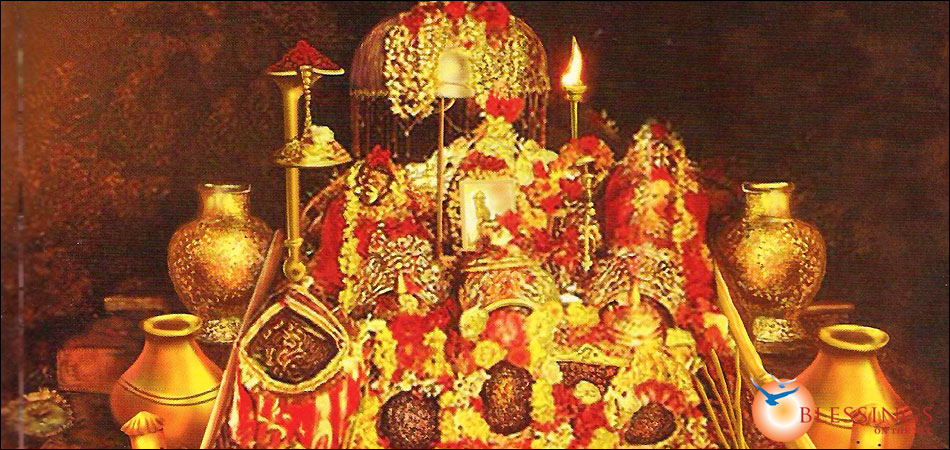
The temple highlight its unique sanctity. Located near Katra in the Reasi district, the shrine is dedicated to Mata Vaishno Devi, also called Vaishnavi, Trikuta, or Sherawali Mata. Unlike most temples with crafted idols, here the Goddess is worshipped in her natural form as three pindis inside a limestone cave. The pilgrimage route begins at Banganga and winds through forests and steep paths, culminating at the Bhawan (main shrine). The journey itself is considered an act of devotion, symbolizing surrender to the Mother Goddess. The temple is managed by the Shri Mata Vaishno Devi Shrine Board (SMVDSB), which ensures facilities for the millions of devotees who visit each year.
The Temple is deeply rooted in Hindu mythology and tradition. Mata Vaishno Devi is believed to be a manifestation of the combined energies of Mahakali, Mahalakshmi, and Mahasaraswati, born to protect dharma in the Kali Yuga. Legends trace her worship back to the Treta Yuga, with references in the Mahabharata. The most popular story involves a devotee named Pandit Sridhar, who was instructed by the Goddess in a dream to organize a Bhandara (community feast). During this event, she appeared as a young girl and later revealed her cave abode to him, making Sridhar the first priest of the shrine. Another legend recounts her battle with the tantric Bhairon Nath, whom she defeated at Bhairon Ghati, granting him moksha. This established the tradition that every pilgrimage must conclude with darshan at Bhairon Baba’s temple.
The Significance of the Temple lies in its status as one of the holiest Shakti Peethas. It is believed that Mata Vaishno Devi grants liberation, prosperity, and protection to her devotees. The yatra is considered incomplete without visiting Bhairon Baba, symbolizing forgiveness and divine grace. Millions of pilgrims from India and abroad undertake the journey annually, making it one of the most visited religious sites in the world. The temple is also unique in being continuously worshipped across all four yugas—Satya, Treta, Dvapara, and Kali—signifying its timeless relevance.
The Architecture of the Temple is distinct from conventional shrines. The sanctum is a natural cave about 30 meters long, with narrow passages requiring pilgrims to bow and wade through water, symbolizing humility before the Goddess. The three pindis are naturally formed rock structures, uncarved and self-manifested. Due to the massive influx of devotees, a parallel New Cave was constructed in 1977 to facilitate darshan. The temple complex includes the Bhawan, Ardhkuwari cave (where the Goddess meditated for nine months), and Bhairon Baba temple. Modern infrastructure such as ropeways, battery cars, and improved pathways have been added, but the spiritual essence of the pilgrimage remains intact.
Devotees seek the blessings of Mata Vaishno Devi for protection, peace, prosperity and spiritual strength.
The shrine is a major centre of devotion to the Divine Mother and is associated with Mahakali, Mahalakshmi and Mahasaraswati.
Devotees pray to the Goddess for courage, protection from difficulties and strength during challenging times.
Pilgrims seek blessings for family harmony, health, prosperity and fulfilment of sincere prayers.
The pilgrimage from Katra to the Bhawan is itself regarded as an important act of devotion and surrender to the Mother Goddess.
The yatra and darshan are undertaken by devotees seeking inner peace, devotion, spiritual confidence and divine grace.
Chant “Jai Mata Di” with devotion throughout the yatra Offer coconuts, red cloth (chunri), and prasad as traditional offerings Dress modestly and maintain cleanliness in the temple premises Respect the sanctity of the cave and follow shrine board instructions Visit Bhairon Baba temple after darshan at the Bhawan as per tradition Participate in rituals with humility and patience Use designated paths and facilities provided for pilgrims Keep the environment clean and dispose of waste responsibly
Do not consume alcohol, tobacco, or non-vegetarian food during the pilgrimage Avoid photography or videography inside the sanctum where prohibited Do not rush, push, or create disorder during darshan Refrain from loud or disruptive behavior in sacred areas Do not carry prohibited items like weapons or inflammables Avoid littering or polluting the holy river and surroundings Do not ignore safety instructions given by shrine authorities Refrain from disrespecting local customs or traditions